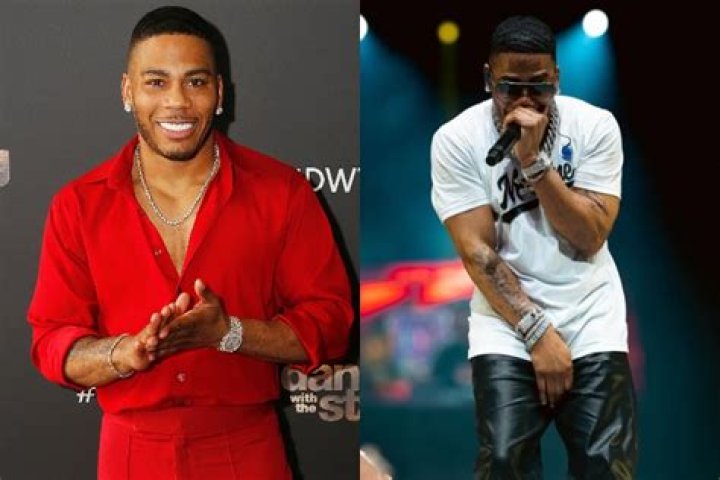
Joyner Lucas' ethnicity is a mix of African-American, Caucasian, and Native American. He has stated that he identifies as "black" and is proud of his heritage.
Lucas' ethnicity has been a topic of discussion due to his unique appearance. He has light skin, green eyes, and curly hair, which is not typical of African-Americans. However, Lucas has embraced his mixed heritage and has spoken out against racism and discrimination.
Lucas' story is an example of how race is a complex and fluid concept. It is not always easy to categorize people based on their appearance, and Lucas' experience shows that there is more to a person than their skin color.
Joyner Lucas Ethnicity
Joyner Lucas' ethnicity is a mix of African-American, Caucasian, and Native American. This unique blend of heritage has shaped his identity and experiences in various ways.
- African-American: Lucas identifies strongly with his African-American roots and is proud of his heritage.
- Caucasian: Lucas' Caucasian ancestry gives him a unique perspective on race and identity.
- Native American: Lucas' Native American heritage connects him to the land and its people.
- Mixed-race: Lucas' mixed-race identity has given him a unique understanding of the complexities of race and culture.
- Identity: Lucas' ethnicity is a core part of his identity and influences his music and activism.
- Racism: Lucas has spoken out against racism and discrimination, using his platform to raise awareness.
- Culture: Lucas' ethnicity has influenced his cultural experiences and perspectives.
- Community: Lucas is involved in various communities that celebrate his diverse heritage.
- Representation: Lucas' success as a musician and activist has given him a platform to represent mixed-race individuals.
In conclusion, Joyner Lucas' ethnicity is a rich and complex tapestry that has shaped his identity, experiences, and perspectives. Through his music and activism, he has used his platform to raise awareness about the complexities of race and culture.
| Name: | Joyner Lucas |
| Birthdate: | August 17, 1988 |
| Birthplace: | Worcester, Massachusetts |
| Occupation: | Rapper, singer, songwriter, producer |
| Genre: | Hip hop, R&B, soul |
| Labels: | Atlantic Records, Tully Entertainment |
African-American
This statement highlights the importance of Lucas' African-American heritage to his overall identity. As a mixed-race individual, Lucas' connection to his African-American roots is a source of pride and strength. He has spoken out about the importance of embracing one's heritage and fighting against racism and discrimination.
Lucas' African-American heritage has influenced his music and activism in many ways. His music often explores themes of race, identity, and social justice. He has also used his platform to speak out against police brutality and other forms of systemic racism.
Lucas' story is an example of how race is a complex and fluid concept. It is not always easy to categorize people based on their appearance, and Lucas' experience shows that there is more to a person than their skin color.
The connection between Lucas' African-American heritage and his overall identity is a reminder that race is a social construct. It is not something that is fixed or immutable, but rather something that is fluid and constantly changing. Lucas' story is an example of how people can embrace their multiple identities and use their voices to make a difference in the world.
Caucasian
Lucas' Caucasian ancestry is an important part of his identity and has given him a unique perspective on race and identity. As a mixed-race individual, Lucas has experienced both the privileges and challenges of living in a racially diverse society.
- Understanding Racism: Lucas' Caucasian ancestry has given him a firsthand understanding of the ways in which racism operates in society. He has seen how racism can impact people of color in both overt and subtle ways.
- Challenging Stereotypes: Lucas' Caucasian ancestry allows him to challenge stereotypes about race and identity. He does not fit into the traditional categories of "black" or "white," and his experiences have shown him that race is a complex and fluid concept.
- Cultural Identity: Lucas' Caucasian ancestry has influenced his cultural identity. He has a deep appreciation for both African-American and Caucasian culture, and he draws inspiration from both traditions in his music and activism.
- Social Justice: Lucas' Caucasian ancestry has motivated him to become an advocate for social justice. He has used his platform to speak out against racism and discrimination, and he works to promote understanding and equality between people of all races.
Lucas' story is an example of how race is a complex and fluid concept. It is not always easy to categorize people based on their appearance, and Lucas' experience shows that there is more to a person than their skin color.
Native American
Lucas' Native American heritage is an important part of his identity and has shaped his connection to the land and its people. He has spoken about the importance of respecting the environment and preserving Native American culture.
Lucas' Native American heritage has influenced his music in many ways. His songs often explore themes of nature, spirituality, and social justice. He has also used his platform to speak out about the importance of protecting the environment and Native American rights.
Lucas' story is an example of how Native American heritage can connect people to the land and its people. It is also a reminder of the importance of respecting and preserving Native American culture.
Mixed-race
Lucas' mixed-race identity has shaped his understanding of race and culture in several important ways:
- Challenging Stereotypes: As a mixed-race individual, Lucas does not fit into traditional racial categories. This has allowed him to challenge stereotypes about race and identity.
- Understanding Racism: Lucas' mixed-race identity has given him a firsthand understanding of the ways in which racism operates in society. He has experienced both the privileges and challenges of living in a racially diverse society.
- Cultural Identity: Lucas' mixed-race identity has influenced his cultural identity. He has a deep appreciation for both African-American and Caucasian culture. He draws inspiration from both traditions in his music and activism.
- Social Justice: Lucas' mixed-race identity has motivated him to become an advocate for social justice. He has used his platform to speak out against racism and discrimination.
Lucas' story is an example of how mixed-race individuals can have a unique understanding of the complexities of race and culture. Their experiences can help to challenge stereotypes, promote understanding, and build bridges between different communities.
The practical significance of Lucas' understanding of race and culture is evident in his music and activism. He uses his platform to speak out against racism and discrimination, and he works to promote understanding and equality between people of all races.
Identity
This statement highlights the strong connection between Lucas' ethnicity and his overall identity. His ethnicity has shaped his experiences, beliefs, and values, which are all reflected in his music and activism.
Lucas has often spoken about the importance of embracing one's heritage and using one's voice to make a difference in the world. His music often explores themes of race, identity, and social justice. He has also used his platform to speak out against racism and discrimination.
The following are some specific examples of how Lucas' ethnicity has influenced his music and activism:
- His song "I'm Not Racist" is a powerful anthem against racism and discrimination. In the song, Lucas challenges racist stereotypes and calls for unity and understanding.
- His song "Devil's Work" is a moving tribute to the victims of police brutality. In the song, Lucas speaks out against the systemic racism that exists in the criminal justice system.
- His work with the non-profit organization "Feeding America" is a reflection of his commitment to social justice. Lucas has donated his time and money to help fight hunger in America.
Lucas' story is an example of how one's ethnicity can be a source of strength and inspiration. He has used his platform to speak out against injustice and to promote understanding and equality. His work is a reminder that we all have a role to play in creating a more just and equitable world.
Racism
The connection between Lucas' ethnicity and his outspokenness against racism is significant because it highlights the personal impact that racism has had on him. As a mixed-race individual, Lucas has experienced both the privileges and challenges of living in a racially diverse society. He has seen firsthand how racism can impact people of color in both overt and subtle ways.
Lucas' experiences with racism have motivated him to use his platform to speak out against injustice. He has used his music and social media presence to challenge racist stereotypes, promote understanding, and encourage dialogue about race relations.
Lucas' activism is an important example of how people can use their voices to make a difference in the world. He is using his platform to raise awareness about racism and discrimination, and he is inspiring others to do the same.
The practical significance of Lucas' activism is evident in the impact that he has had on his audience. His music and speeches have helped to educate people about racism and discrimination, and they have inspired others to take action against injustice.
Culture
Lucas' ethnicity has shaped his cultural experiences and perspectives in several important ways:
- Identity: Lucas' ethnicity is a core part of his identity, and it has influenced the way he views himself and the world around him. He has said that he feels a deep connection to both his African-American and Caucasian heritage, and that this has given him a unique perspective on race and culture.
- Music: Lucas' ethnicity has also influenced his music. His songs often explore themes of race, identity, and social justice, and he draws inspiration from both African-American and Caucasian musical traditions.
- Activism: Lucas' ethnicity has motivated him to become an activist for social justice. He has used his platform to speak out against racism and discrimination, and he works to promote understanding and equality between people of all races.
Lucas' story is an example of how ethnicity can shape a person's cultural experiences and perspectives. It is also a reminder of the importance of embracing one's heritage and using one's voice to make a difference in the world.
Community
Lucas' involvement in various communities that celebrate his diverse heritage is an important aspect of his ethnicity. These communities provide him with a sense of belonging and support, and they help him to connect with his roots. Lucas has said that he feels a deep connection to both his African-American and Caucasian heritage, and that these communities help him to embrace both sides of his identity.
Lucas' involvement in these communities also influences his music and activism. His songs often explore themes of race, identity, and social justice, and he draws inspiration from the experiences and perspectives of the people he meets in these communities. Lucas has also used his platform to speak out against racism and discrimination, and he works to promote understanding and equality between people of all races.
The practical significance of Lucas' involvement in these communities is evident in the impact that he has had on his audience. His music and speeches have helped to educate people about racism and discrimination, and they have inspired others to take action against injustice. Lucas' work is a reminder of the importance of community and belonging, and it shows how we can all use our voices to make a difference in the world.
Representation
Joyner Lucas' ethnicity has shaped his experiences and perspectives in many ways, and his success as a musician and activist has given him a powerful platform to represent mixed-race individuals.
- Identity and Visibility: Lucas' success has given him a platform to challenge stereotypes and promote positive representations of mixed-race people. He has spoken out about the importance of embracing one's heritage and using one's voice to make a difference.
- Social Justice: Lucas has used his platform to speak out against racism and discrimination, and to advocate for social justice. He has spoken about the challenges that mixed-race people face, and he has called for greater understanding and equality.
- Inspiration: Lucas' success is an inspiration to other mixed-race individuals. He shows that it is possible to achieve success while also embracing one's heritage. He is a role model for mixed-race youth, and he shows them that they can be proud of who they are.
Lucas' representation of mixed-race individuals is important because it helps to challenge stereotypes, promote understanding, and inspire others. He is using his platform to make a positive impact on the world, and he is helping to create a more inclusive and just society.
Joyner Lucas Ethnicity
This section addresses frequently asked questions (FAQs) about Joyner Lucas' ethnicity to provide a comprehensive understanding of this topic.
Question 1: What is Joyner Lucas' ethnicity?
Joyner Lucas is of mixed ethnicity, with African-American, Caucasian, and Native American ancestry.
Question 2: How does Joyner Lucas identify ethnically?
Lucas identifies primarily as "black" and is proud of his African-American heritage.
Question 3: Has Joyner Lucas spoken about his ethnicity?
Yes, Lucas has been open about his mixed heritage and has used his platform to address issues of race and identity.
Question 4: How has Joyner Lucas' ethnicity influenced his music?
Lucas' music often explores themes of race, identity, and social justice, reflecting his experiences and perspectives as a mixed-race individual.
Question 5: Has Joyner Lucas faced challenges related to his ethnicity?
Lucas has spoken about experiencing racism and discrimination due to his mixed heritage.
Question 6: How does Joyner Lucas use his platform to address issues related to ethnicity?
Lucas uses his music and activism to raise awareness about racism, promote understanding, and advocate for social justice.
Summary: Joyner Lucas' ethnicity is a complex and multifaceted aspect of his identity that influences his music, activism, and experiences. He embraces his mixed heritage and uses his platform to challenge stereotypes, promote understanding, and advocate for social justice.
Transition: Joyner Lucas' ethnicity is a key factor in shaping his identity and worldview, influencing his music, activism, and perspectives on race and culture.
Joyner Lucas Ethnicity
Understanding Joyner Lucas' ethnicity provides valuable insights into his identity, music, and activism. Here are some tips to enhance your comprehension:
Tip 1: Acknowledge the Complexity: Recognize that Joyner Lucas' ethnicity is a blend of African-American, Caucasian, and Native American heritage. Avoid oversimplifying or reducing his identity to a single label.
Tip 2: Respect His Self-Identification: Joyner Lucas primarily identifies as "black" and embraces his African-American roots. Respect his choice of self-identification and avoid imposing external labels.
Tip 3: Explore His Music and Lyrics: Lucas' music often explores themes of race, identity, and social justice. Pay attention to his lyrics and artistic expressions to gain insights into his experiences and perspectives.
Tip 4: Consider Historical Context: Understand the historical and social context that has shaped racial identity in the United States. This context informs Lucas' experiences and the messages conveyed in his music.
Tip 5: Avoid Assumptions: Resist making assumptions about Lucas' ethnicity based on his appearance or background. Engage with his work and statements to form informed opinions.
Tip 6: Promote Understanding and Dialogue: Encourage discussions about Joyner Lucas' ethnicity and the broader topic of mixed-race identity. Promote empathy, understanding, and respect for diverse backgrounds.
Summary: Approaching Joyner Lucas' ethnicity with sensitivity, respect, and a willingness to learn can deepen your appreciation of his artistry and message. These tips provide a starting point for fostering greater understanding and dialogue.
Transition: By embracing these tips, you can gain a more nuanced and informed understanding of Joyner Lucas' ethnicity and its significance in shaping his identity and contributions to music and social discourse.
Conclusion
Joyner Lucas' ethnicity is a multifaceted aspect of his identity that has shaped his music, activism, and worldview. He embraces his mixed African-American, Caucasian, and Native American heritage, challenging stereotypes and promoting understanding.
Lucas' journey highlights the complexities of race and identity in modern society. His experiences and artistic expressions provide valuable insights into the ongoing struggle for social justice and equality. By understanding and appreciating his ethnicity, we can contribute to a more inclusive and equitable world.
Unveiling Ravenceline Leaks: A Treasure Trove Of Discoveries
Unveil The Enigmatic Essence Of Sade Adu: A Journey Of Discovery And Insight
Unveiling The Wealth Of Montel Williams: Secrets And Surprises Revealed
Joyner Lucas Height, Age, Bio, Weight, Net Worth, Facts and Family
Racist Joi Telegraph
Ashanti And Joyner Lucas Deals Online, Save 45 jlcatj.gob.mx
Joyner Lucas Ethnicity, Nationality, Race, Family, Body measurements
Joyner Lucas Bio, Wiki, Net Worth, Ethnicity and Other Interesting